Coffee and Your Teeth | Norfolk NE dentist

Coffee is well-known as hazardous to teeth, but there are things you can do besides cut it out completely. Here are some things to know about coffee’s effects on your oral health and diet, as well as how to mitigate them.

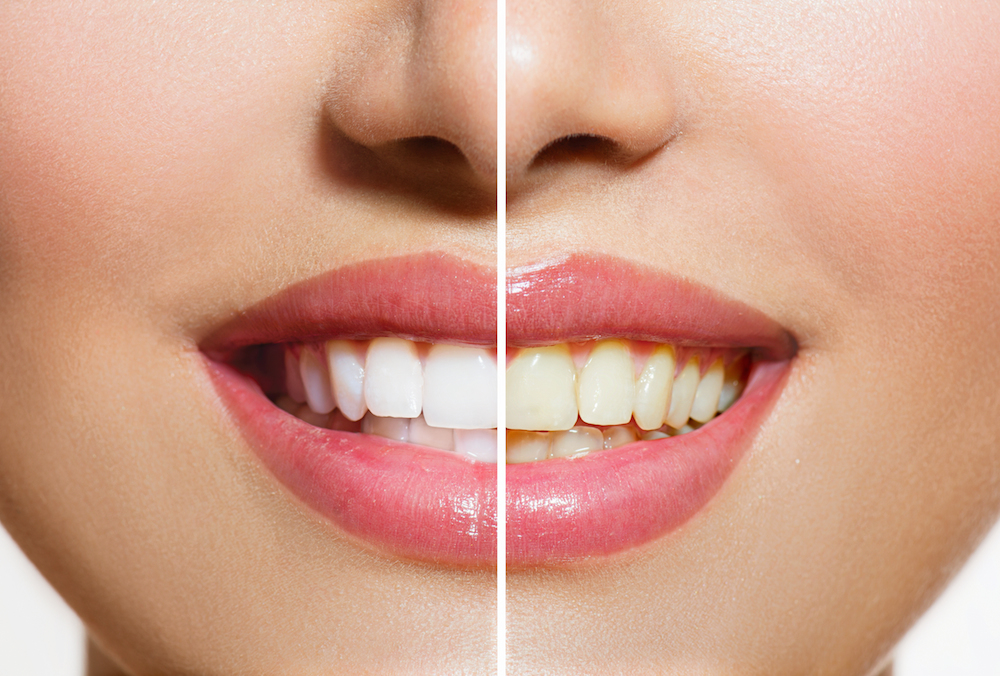
Contrary to popular belief, the pigments that give coffee its color can stain your teeth regardless of whether you take your coffee black or with cream. These pigments embed themselves in microscopic crevices and pits in your tooth enamel and are difficult to remove. To counteract this, don’t give the pigments time to set. When drinking coffee, drink quickly instead of sipping over a long period. Enjoy, then rinse your mouth with water to help neutralize the acid. In addition, following your recommended schedule of dental cleanings can help prevent stains. Whitening can improve the color of your teeth if mild staining has started. Ask our doctor how best to keep your smile bright.

Coffee can have minor benefits for your nutrition, but there are also things to beware. Drinks that are high in dairy fat or sugar can add substantial calories, as well as contributing to the chance of tooth decay. Try making your own coffee at home, where you can control the ingredients used. Minimize your use of creamer and sugar, or try using non-fat or sugar-free substitutes.

Coffee can still be a healthy part of your life if you take some care to protect your teeth. For more tips or to schedule a professional cleaning, contact our office.

Family 1st Dental of Norfolk – 13th Street
Phone: (402) 379-2775
513 South 13th Street
Norfolk, NE 68701

Can You Inherit Oral Health Issues? | Norfolk Dentist

Most serious oral health issues can be prevented by maintaining an effective routine of dental hygiene and in-office care. However, you could be at higher risk for some oral illnesses due to hereditary factors. Awareness and proper treatment can help minimize these risks. Here are a few of the most common oral health concerns that are affected by genetics.

Tooth decay – One of the most common oral issues, some tooth decay has been linked to a genetic deficiency of a protein called DEFB1. If your parents experienced an unusually high rate of tooth decay, then you may want to be more vigilant regarding your own dental care.

Oral cancer – Certain genetic factors can increase your risk of developing oral cancer. Our doctor recommends annual oral cancer screening for early identification and treatment. In addition, certain lifestyle choices, such as quitting smoking and limiting alcohol consumption, can help reduce your risk of oral cancer.

Periodontal disease – Recent research has found that some forms of gum disease may be linked to mutations in genes that affect immunity and inflammatory response.

Misaligned or supernumerary (extra) teeth – Genetics can play a role in having misaligned or even extra teeth. The size of your jaw is determined mostly through heredity, and is the most common reason for an overbite, underbite, or dental crowding.

Canker sores – In most cases, canker sores are an isolated reaction to fatigue, stress, or menstrual cycles. However, there are certain inherited diseases that count canker sores among their symptoms. Crohn’s disease and Celiac sprue are two such conditions.

While you may not be able to avoid hereditary oral health issues entirely, we can help minimize or even reverse their effects with proper treatment and care. If you suffer from any of these inherited conditions, contact our office for an oral health evaluation. We can help.

Family 1st Dental of Norfolk – 13th Street
Phone: (402) 379-2775
513 South 13th Street
Norfolk, NE 68701

3 Ways to Fix a Chipped Tooth | Dentist in Norfolk NE


Chipping a tooth could be uncomfortable and embarrassing. Fortunately, there are a number of ways to fix a chipped tooth. We will recommend a solution based on your particular needs. Here are three options we may provide you:

Norfolk, NE 68701 Dentist

1.      Dental Bonding

Bonding is a quick and easy solution for most small, cosmetic chips. In the bonding process, the remaining enamel on the tooth is first roughened in order for the composite to better adhere to the tooth’s surface. Composite is then shaped to replace the chip and hardened with a dental curing light, instantly solidifying the material. Typically, bonding can last up to ten years with proper care.

2.     Porcelain Veneers

If the tooth was fully cracked or there was significant damage to the tooth, veneers may be recommended. Also, if you have chipped a tooth several times or wish to repair the tooth’s color, getting veneers may be the best option.

A veneer uses porcelain material that covers the front surface of your teeth, giving them a natural look while also providing strength comparable to natural tooth enamel. In order to apply a veneer, a small amount of existing tooth structure is removed to make room around the affected area. Then, we will take an impression of the tooth to use in making the permanent veneer and place a temporary veneer.

Once the permanent, porcelain veneer arrives, the temporary veneer is removed and the area around the tooth is cleaned. We will then place the adhesive and set in the new veneer for exact fit. Finally, the veneer is light cured and you will have a natural, beautiful smile.

3.     Dental Crowns.

Dental crowns are a “cap” that covers your tooth. A crown restores a tooth back to its normal shape, size, and function. Crowns are best-suited when a large portion of the original tooth is missing, or when the tooth is significantly damaged, causing pain when chewing or drinking. They are an effective solution to repair the shape and look of your tooth quickly, preventing further damage from tooth decay or exposed nerves.

If you have a chipped tooth, contact us as soon as possible. We have a number of solutions to fix any oral health issues that arise from chipping or cracking a tooth. We will provide a customized plan for you based on your needs.  Contact our 68701 dentist today.

Family 1st Dental of Norfolk – 13th Street
Phone: (402) 379-2775
513 South 13th Street
Norfolk, NE 68701

Don’t Miss Your Screening | Norfolk NE Dentist

Oral cancer does not discriminate. It affects those of all ages, genders and races. Smokers do develop oral cancers at higher rates than non-smokers. However, this does not absolve the rest of the population from being at risk, as well. 

Family 1st Dentist Norfolk, NE 68701

It’s incredibly important to keep to your recommended schedule of oral health examinations. By visiting your general dentist at least twice per year, it is much more likely that our dental team will be able to identify potentially cancerous lesions in early stages. As you may know, the key to survival of most forms of cancer is early detection. Oral cancers are treatable, especially if caught before displaying obvious signs. The best results occur when oral cancer is identified and treated during early stages.

If your general dentist identifies a lesion that appears to be irregular, he or she may refer you to our team. We’ll recommend the next steps. Once pathology has been identified, we can proceed with treatment if necessary. 

We will complete a biopsy to confirm whether a lesion is cancerous. It is not possible to confirm an oral cancer diagnosis without a biopsy. For this reason, try to refrain from making assumptions until we have confirmed your diagnosis. If it’s been more than 6 months since your last appointment or if you have noticed a lesion, bump or irregular patch of skin that doesn’t heal within a few days, consider an oral cancer screening by your general dentist. Know that your dentist will provide you with advice and may refer you to our team for a closer look. 

If you have considered skipping the recommended dental visits that provide your first line of defense against oral cancers, please reconsider. It could save your life. For more information, please contact our Family 1st dentist in Norfolk.

Family 1st Dental of Norfolk – 13th Street
Phone: (402) 379-2775
513 South 13th Street
Norfolk, NE 68701

Family 1st in 68701 | Preventing Enamel Erosion

Do you have white spots on your teeth? Are your teeth quite sensitive? Do your teeth have cracks, chips, or indentations? If yes, then you may be experiencing enamel erosion.

Family Dentist in Norfolk, NE 68701

Tooth enamel is the hardest substance in the human body. It is the clear coating that protects your teeth. However, being the strongest substance in the body does not mean it should be neglected. Enamel can erode. Without the protection of enamel, you not only risk developing decay, but also abscesses, tooth pain, and even tooth loss.

What Causes Tooth Enamel Erosion?

There are several factors that cause tooth enamel to erode, some of which are the result of everyday actions. Sugars and acids can wear down enamel. If you regularly drink soft drinks or sugary fruit drinks, you may be damaging your teeth. To protect your teeth, limit your consumption of such drinks. Alcohol can also erode enamel, as well as a diet that is high in sugary or starchy foods. The bacteria in the mouth can transform starches and sugars in foods such as bread into damaging acid. 

Other factors include acid reflux, recurrent vomiting, gastrointestinal problems, genetically inherited conditions, grinding your teeth, even brushing too hard or not flossing properly. All of these impact the health of your enamel, and, ultimately, your teeth. Once the enamel is worn or chipped away, it cannot be replaced.

Keep the sweets from becoming everyday treats, replace white breads with whole grains, and try eating more cheese and yogurt to bolster the calcium in your saliva to keep the acids in check.

How Can Enamel Erosion Be Prevented?

In addition to exercising moderation with soft drinks, alcohol, sugars and starches, and, of course, taking extra care with regard to medical conditions and your tooth care regimen, there are a few extra things you can do to protect your smile. Saliva can neutralize harmful acids in your mouth. By drinking water and chewing sugar-free gum, you can boost saliva production. 

Keep the sweets from becoming everyday treats and replace white breads with whole grains. Add more cheese and yogurt to your diet. Not only are both foods high in calcium, but they also help neutralize harmful acids in your mouth.

Tooth enamel is essential for maintaining a healthy smile. Be mindful of what you eat and drink. Enamel erosion may also be the consequence of other complications such as excessive teeth grinding or acid reflux. Regular visits to our office allow our team to provide a full examination. If we detect that your enamel is eroding, we will discuss potential causes and solutions. 

To schedule your next visit to our office, please contact our Family 1st Norfolk dental team today.

Family 1st Dental of Norfolk – 13th Street
Phone: (402) 379-2775
513 South 13th Street
Norfolk, NE 68701

Family 1st Norfolk | Oral Hygiene at Work

Do you brush your teeth after lunch? If you’re one of the millions of people who work outside the home, chances are you don’t have the time or resources to brush during the day. However, not being able to brush doesn’t mean you can’t protect your teeth at work. 

Norfolk, NE 68701 Dentist

Grab a drink of water. When you finish eating, get a drink of water. Swish the water around in your mouth, then spit or swallow it. Water helps to remove small particles of food that can remain on your teeth after your meal or snack.

Chew sugarless gum. There are certain types of sugarless gum that are approved by the American Dental Association (ADA) as good for your oral health. The reason for this is that chewing stimulates the production of saliva in your mouth. That saliva washes away food particles and helps to neutralize acids on your teeth.

Limit time drinking coffee or soda. Coffee, soda, tea, and many other beverages contain high levels of sugars and acids. The more time you spend sipping your drink, the longer your teeth are exposed to these sources of decay. Instead of spending an hour taking small swallows, drink quickly to limit exposure, then rinse your mouth or switch to water to help counteract the effects.

Brush and floss when you can. Try to keep to a regular routine of good oral hygiene practices when you are at home. Brush at least twice daily, for two full minutes each time. Floss or use an interdental cleaner of your choice once a day. Keep your recommended appointments to have your teeth cleaned and evaluated by our team.

Taking care of your teeth doesn’t have to interrupt your workday. Keeping these simple tips in mind can help protect your mouth from tooth decay, periodontal disease, and other oral health issues.

To learn more ways to preserve your oral health, talk to our team during your visit. Contact our family dentist in Norfolk office to schedule your next appointment today.

Family 1st Dental of Norfolk – 13th Street
Phone: (402) 379-2775
513 South 13th Street
Norfolk, NE 68701

Family Dentist in Norfolk NE | Ow! Your Guide to Canker Sores

A canker sore can make eating, drinking, and talking difficult and even painful. Maintaining your oral health by brushing and flossing may also be difficult with a sore in your mouth but keeping up with your daily oral hygiene routine is an important step in the healing process. We’ve put together a short guide to everything you need to know about canker sores.

What do they look like?

Canker sores are usually small, round reddish sores. You’ll find them on the soft tissues of your mouth, such as your tongue, the sides of your mouth, and at the base of your gums. Occasionally, a sore might have a yellow or white colored center.

What causes them?

Among the most common causes of canker sores are injuries. This can happen from biting your lip or cheek, an injury from sports, or even vigorous brushing. Certain people are sensitive to toothpastes containing sodium lauryl sulfate, leading to sores. Foods may also cause canker sores in certain people. Chocolate, eggs, nuts, and spicy foods have been known to cause the sores. At times, a diet that is deficient in vitamin B-12 or zinc is the culprit.

What can I do?

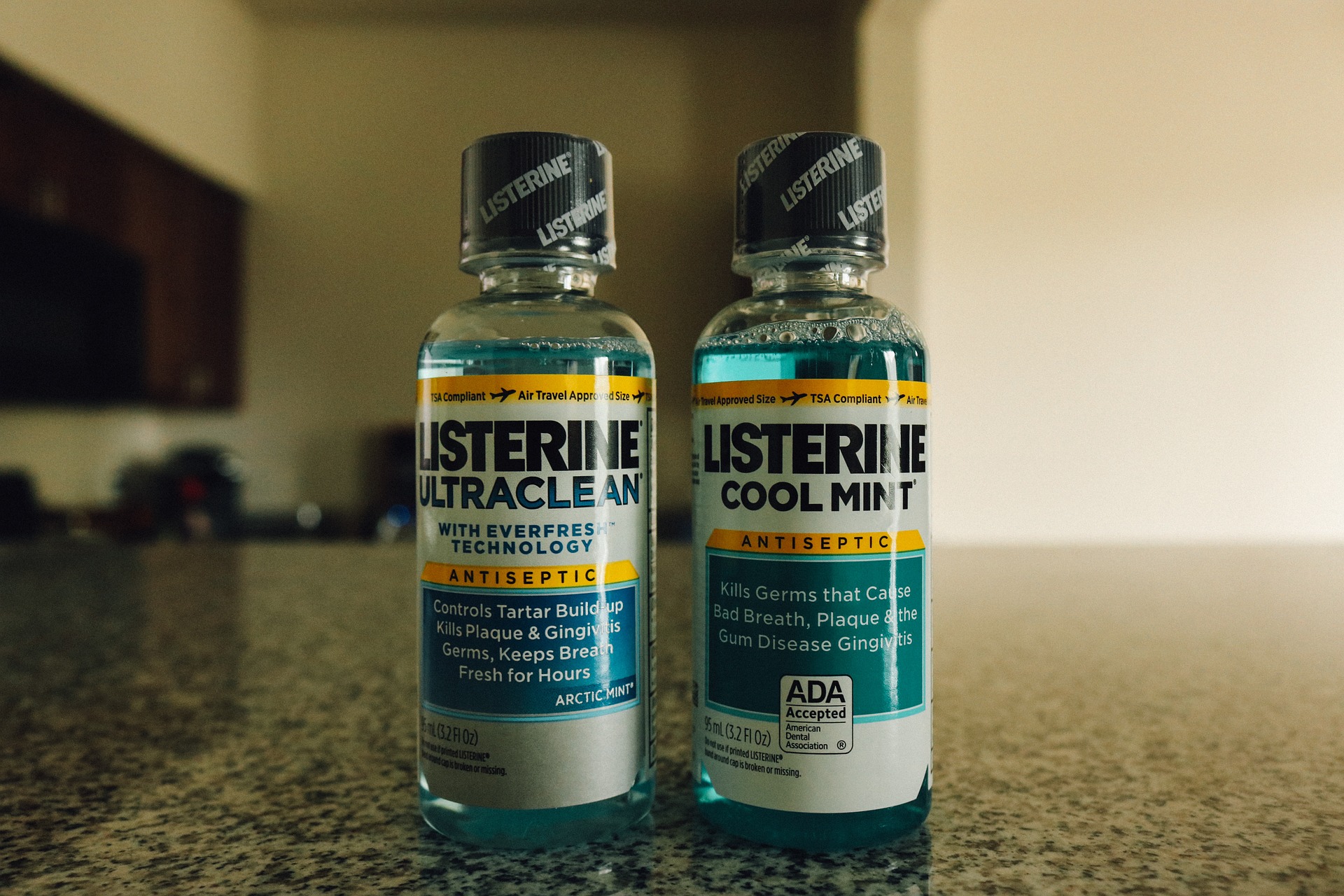
Your best defense is to keep your mouth healthy. This means keeping up with your twice-daily brushing and daily flossing. With a mouth sore, it may be tempting to avoid the area when brushing your teeth. This can lead to a buildup of plaque and bacteria. Aid the healing process by keeping your mouth clean and healthy. You may also try a mouthwash formulated for mouth sores. When in doubt, or if pain persists, talk to our team.

Brush thoroughly but gently around sores. Most canker sores heal within a week. If you find you are regularly getting sores, or they are taking longer than one week to heal, schedule a visit to our Norfolk dental office. We will assess your oral health and provide you with our expert advice.

For more information about oral health or to schedule your next visit, please contact our office. We look forward to seeing you.

Family 1st Dental of Norfolk – 13th Street
Phone: (402) 379-2775
Url: https://ffdnorfolk13th.com/
513 South 13th Street
Norfolk, NE 68701

68701 Dentist | How Pregnancy Affects Your Oral Health

During pregnancy, it is essential that you don’t neglect your oral health. A fluctuation in hormones can cause drastic changes in your mouth. Oral health complications have been linked to increased risk in other significant overall health issues. Here are the most common oral health problems, how they can affect your pregnancy, and how to prevent them.

Oral Health Problems During Pregnancy

According to the Academy of General Dentistry, only 22 to 34 percent of women in the United States visit a dentist during pregnancy. Regular visits to our Norfolk dental office while expecting can allow us to detect potential issues early. Gingivitis is the biggest concern during pregnancy. The buildup of plaque is more likely to cause an expecting mother to have red, swollen, and painful gums that bleed. If the gums become even more swollen and irritated, it can cause non-cancerous pregnancy tumors. If oral health problems are left untreated they can lead to serious diseases.

Ways to Prevent Gum Problems

The best way to decrease any risk of getting gingivitis is to brush your teeth at least twice a day. Make sure you brush the full tooth, all the way to the gums. Flossing your teeth regularly will also keep your gums healthy. Seeing your Norfolk dentist more frequently for cleanings will reduce plaque and minimize any problems.

How Bad Oral Health Can Affect Your Baby

The Academy of General Dentistry suggests a link between gingivitis and having a preterm or low-birthweight baby. If an expecting mother has gingivitis, it can cause bacteria to enter in the bloodstream and travel to the uterus. The bacteria triggers chemicals that may induce early labor.

Maintaining good oral health is important in combating problems during pregnancy. Gingivitis is the most common concern that can be managed with the help of your Norfolk dentist. Without proper treatment, gingivitis can lead to other health issues that not only affect you, but also your pregnancy. Keep yourself and your child safe by having a consultation with your dentist in Norfolk before or during your pregnancy. We also recommend that you bring your new baby to the dentist as soon as their first tooth grows in so they can get started on the path to a healthy life.

Contact our dental team today to schedule an appointment.

Family 1st Dental of Norfolk – 13th Street
Phone: (402) 379-2775
Url: https://ffdnorfolk13th.com/
513 South 13th Street
Norfolk, NE 68701

Dentist Norfolk NE | I Chipped a Tooth! What Can I Do?

Dentist in Norfolk

It usually starts pretty innocently. You’re biting into your favorite hard candy and suddenly you realize that there’s one little hard piece in your mouth you can’t seem to dissolve. You check it out and fear overcomes you when you see it’s a little chipped piece of a tooth.

Enamel may be one of the hardest substances in the body but like most things in life, it has its limit. Whether you are chewing on ice or grinding your teeth at night, there’s always a chance of putting your teeth at risk. If you have chipped your tooth, there’s no need to panic. Here are a few things we can do to restore your beautiful smile:

Tooth Bonding

Tooth bonding has many structural uses, and it can be very helpful for repairing chipped teeth. Tooth bonding is a simple procedure that doesn’t require any numbing. The bonding materials and porcelain used are natural in color and can be designed to perfectly match your teeth. Your smile will look good as new, and people will have a hard time noticing you ever chipped a tooth to begin with.

Dental Crown

A dental crown is a tooth-shaped cap that helps protect your teeth, while at the same time improving its appearance. An AACD (American Academy of Cosmetic Dentistry) dentist will likely use a tooth colored crown made out of porcelain or zirconia to look identical to your teeth. Crowns will also provide the durability and strength your teeth need to withstand daily use. You may only need a partial crown if our Norfolk dentist sees that the chip doesn’t affect the entire tooth.

Porcelain Veneers

Porcelain laminate veneers are made up of several thin layers of ceramic used to repair chipped teeth. They will be bonded to the teeth to replace the original enamel of the tooth with a special adhesive. Dental veneers are a fantastic way to get your tooth to look whole and healthy again.

If you have a chipped tooth and would like more information on these methods, or to schedule a consultation, contact our Norfolk dental office today.

Family 1st Dental of Norfolk – 13th Street

Phone: (402) 379-2775

Url: https://ffdnorfolk13th.com/

513 South 13th Street Norfolk, NE 68701

Dentist in Norfolk | Oral Cancer Risk Factors

Dentist in Norfolk NE

During a comprehensive dental examination, our Norfolk dental team will look for signs of oral cancer. Early detection is key with oral cancer. If caught early, most forms of oral cancer are treatable. Our dental team is trained and educated to identify oral cancer.

Everyone is susceptible to the disease, but some groups of people are at a higher risk level than others. Here are the top seven risk factors for oral cancer.

Age

Are you in your mid 40s? Your risk of developing oral cancer increases with age. A noticeable increase is evident in people in their 40s and older. According to the Cancer Treatment Centers of America, the majority of diagnosed cases occur around the age of 62, but the average age is declining. The recent increase in Human Papillomavirus (HPV) related cases is causing more people to be diagnosed for oral cancers between the ages of 52 and 56. As the average age for oral cancer cases decreases, it is vital that you receive regular oral cancer screenings at any age.

Gender

Men are twice as likely to develop oral cancer compared to women. Part of this difference may be related to regular intake of alcohol and tobacco. According to the American Cancer Society, the gender difference is decreasing since more women are drinking and using tobacco today than in previous generations. There has also been a trend in recent years of younger men being diagnosed with HPV-related oral cancer. Both men and women should schedule regular oral health examinations to detect oral cancer early.

Tobacco

Smoking or chewing tobacco can greatly increase your risk of developing oral cancer. Tobacco can lead to cancer of the mouth or throat. Additionally, oral tobacco products cause cancers associated with the cheeks, gums, and inner surface of the lips. Development of these cancers depend on the duration and frequency of tobacco use. Non-smokers are not immune to oral cancer, so be sure to schedule an appointment with our dental team for an examination.

Alcohol

Among those that are diagnosed with oral cancer, about 70% of people are characterized as heavy drinkers. According to the Centers for Disease Control and Prevention (CDC), heavy drinking is defined as having an average of two or more drinks per day for men, and one or more drinks per day for women. People who drink heavily can be more than twice as likely to develop oral cancers than people who do not drink. Oral cancer can still occur in people who have never had an alcoholic drink. Contact our Norfolk dental team to schedule an examination.

Human Papillomavirus (HPV)

This sexually transmitted disease is associated with at least 10,000 cases of oral cancer diagnosed each year in the United States. People who have HPV-related oral cancers tend to be younger and are unlikely to smoke or drink. Typically, those diagnosed with HPV-related oral cancers are at a much lower risk of death or reoccurrence. We suggest a proactive approach by maintaining regular visits to our Norfolk dental office.

Sunlight

People who work outside or with prolonged exposure to sunlight have a higher risk of developing lip cancer. It is vital to use UV protection when under the sun. Many lip balms offer UV protection. If you work outdoors frequently, schedule an additional examination with our team.

Diet

Poor nutrition can increase your risk for developing oral cancer. According to the American Dental Association, reports have shown that a link exists between diets low in fruits and vegetables and a higher risk for oral cancers. However, oral cancer can develop in healthy individuals. No matter your diet, schedule a visit with our dental team for a comprehensive oral examination.

Oral cancer does not discriminate. While these seven factors have been tied to an increased risk of oral cancer, that does not diminish the importance of regular oral examinations for everyone regardless of their age, gender, or other factors. Regular dental examinations make it possible for our team to detect oral cancer early. Contact our Norfolk dentist to schedule a comprehensive oral examination.

Family 1st Dental of Norfolk – 13th Street

Phone: (402) 379-2775

Url: https://ffdnorfolk13th.com/

513 South 13th Street Norfolk, NE 68701

Visit Our Norfolk Dental Office

Dentist Norfolk

Norfolk Location

513 South 13th Street,
Norfolk, NE 68701

(402) 379-2775

Our Dental News

Dentist Norfolk

The Role of Dental X-Rays in Diagnosis and Treatment

February 18, 2026

At Family 1st Dental – Norfolk – 13th Street, located at 513 South 13th Street, Norfolk, NE 68701, understanding the importance of dental X-rays in diagnosis and treatment is pivotal in providing exceptional general dentistry services. Dental X-rays, also known […]

Home Care Tips for Maintaining Oral Health

February 16, 2026

At Family 1st Dental – Norfolk – 13th Street, located at 513 South 13th Street, Norfolk, NE 68701, maintaining excellent oral health is a priority. While professional dental treatments are essential, establishing a solid home care routine is equally significant […]

Sleep Therapy: Achieving a Better Night’s Rest at Family 1st Dental – Norfolk – 13th Street

February 13, 2026

Finding effective solutions for sleep-related issues, including sleep apnea, is becoming increasingly essential for overall health. At Family 1st Dental – Norfolk – 13th Street, we are dedicated to providing advanced dental care focused on improving sleep quality. This specialized […]